Wake up fully in seconds
Cold water ends the half-awake drift. The first hit sharpens your breathing, pulls your attention into the present and makes going back to bed feel impossible.
 Check water temp
30 seconds. Full attention.
End your normal shower with 30–90 seconds of cold water. You'll feel the change before you step out: sharper attention, steadier breathing and one deliberate win already behind you.
The immediate payoff
The first hit demands a breath and pulls your attention into the present. There is no waiting around for a subtle effect; the experience announces itself immediately.
Thirty controlled seconds later, you leave the bathroom alert, clear and carrying the satisfaction of doing something difficult on purpose.
Alertness. Composure. Momentum.
You do not need ice, special gear or an empty hour. Start with the shower you already take and give the final 30 seconds a job.
Cold water ends the half-awake drift. The first hit sharpens your breathing, pulls your attention into the present and makes going back to bed feel impossible.
A cold finish draws a hard line between sleeping and starting. You step out switched on, moving with purpose and ready to begin instead of waiting to feel awake.
The water tells you to tense up and get out. Slowing your exhale and staying put teaches you to keep control while every instinct asks for the easy option.
Deciding to finish cold, then following through, puts a deliberate win at the beginning of the day. It is small, difficult and completely yours.
Turn a hot, heavy post-workout shower into a decisive cool-down. The cold marks the end of the session and sends you back into the day feeling fresh rather than cooked.
There is no tub to fill, ice to buy or extra hour to find. Add 30 seconds to a shower you already take and deliberate cold becomes remarkably easy to repeat.
3,018 adults. 30 days. One simple change.
Participants added only 30, 60 or 90 seconds of cold water to the end of a warm shower. The shortest cold finish performed as well as the longer ones on the study's main result.
For a closer look at the findings and what they mean for actively chilled water, read Ice Shower Benefits: Are Ice Showers Good for You?
Direct cold-shower evidence
In a randomized trial, more than 3,000 adults ended a warm shower with 30, 60 or 90 seconds of cold water for 30 days. Every cold-shower group reported fewer sickness-related absences from work.
Read the randomized trialHealth and wellbeing review
A 2025 systematic review found encouraging results for stress, sleep quality and quality of life. The research covered cold-water exposure more broadly, but the findings help explain why the appeal lasts beyond the first rush.
Read the systematic reviewCold-water recovery
A review of 52 cold-water immersion studies found improvements in soreness, perceived recovery and some performance measures after high-intensity exercise. That evidence is specific to immersion, but it shows why serious athletes keep cold close.
Read the recovery reviewThat was the result reported after more than 3,000 adults added just 30–90 seconds of cold water to their daily shower for one month.
60 seconds, second by second
The hardest part is front-loaded. Stay loose, keep breathing and the urge to escape can begin easing before the minute is over.
Your breath jumps and every bit of attention moves to the water. Morning fog does not survive the first ten seconds.
Relax your jaw, drop your shoulders and breathe out slowly. The cold stays cold, but it stops running the session.
Your breathing steadies and the urge to escape loses its grip. This is where a shock becomes something you can choose and control.
The water stops; the clarity carries forward. You are awake and the day has begun with proof that you can follow through.
Your seven-day starter plan
Keep your normal warm shower. Change only the ending. Over seven mornings, you will learn the breath, lose the panic and find the cold finish you can repeat.
Commit to a 30-second cold finish before the warm water starts. When the moment arrives, there is nothing left to negotiate.
Take your normal shower, then turn the control cold and aim the water across your shoulders and upper back. That is enough for day one.
Keep your jaw loose and your shoulders down. Never hold your breath; use a slow exhale to stop the first shock from setting the pace.
Once 30 seconds feels controlled, move toward 60, then 90. A calm minute every morning beats one heroic session you never repeat.
Seven mornings
Cold should feel hard, not reckless
Begin with a short cold finish and keep breathing normally. If you have a heart or circulation condition or a history of fainting, speak to a clinician before starting deliberate cold exposure.
Read cold-exposure safety guidanceThe coldest tap setting is not a temperature
Search your city for a climate-based mains-water estimate, then measure the shower itself for an exact reading. You will see where your tap sits from mild to ice-shower cold.
Water temperature checker
Enter your city to see the mains-water range your climate is likely delivering now.
Your tap has a ceiling
A cold shower uses whatever temperature reaches your home. An ice shower actively chills its own water, so you choose the cold instead of waiting for the weather to choose it for you.
Start the habit with your normal shower. When you want colder water, stronger coverage and the same intensity every day, that is the job of an ice shower.
Explore the ice shower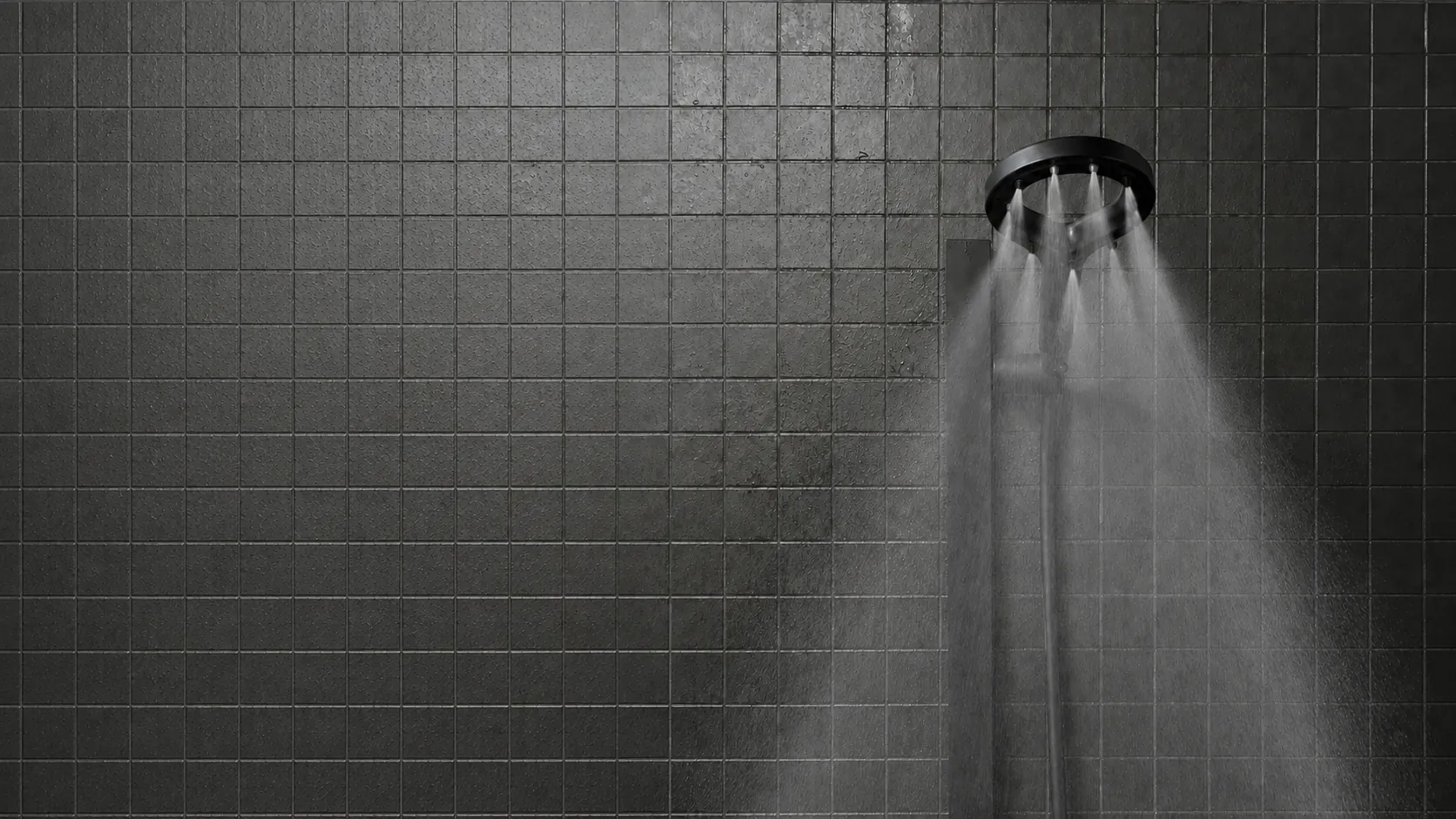 Next: controlled coldCold you choose, not cold you inherit.
Cold-shower questions
Start with 30 seconds at the end of your normal shower. Once you can control your breathing and stay relaxed, build toward 60 to 90 seconds. The best duration is one you can repeat consistently.
A short daily cold finish is how many people turn the initial challenge into a reliable ritual. Daily repetition makes the breathing response, the mental commitment and the feeling afterwards familiar.
Cold-water research often uses 15°C or below. Household water varies widely, so measuring at the outlet shows whether your shower is mildly cool, properly cold or approaching an ice-shower range.
Morning is the natural fit when you want the activating effect to carry into the day. After training is another strong moment because cold creates a decisive transition from hard effort into recovery.
They belong to the same broad family of deliberate cold exposure but deliver it differently. A shower keeps fresh cold water moving over the skin and fits naturally into a fast daily bathroom routine.
Turning the control down only takes you as cold as the water entering your home. To make the experience colder in every season, the next step is an actively cooled ice-shower system.
An ice shower is a purpose-built cold-exposure system that actively chills its own water and delivers it across the body while you stand in a shower. Unlike a normal cold shower, its temperature does not depend on household mains water or the season.
See the evidence
Read the cold-shower trial, the health and wellbeing review and the immersion research behind every evidence claim on this page.